INSIGHTS / CREATIVE & PHILOSOPHY

The Power of Brand Storytelling

UBERBRAND on 19/03/2026

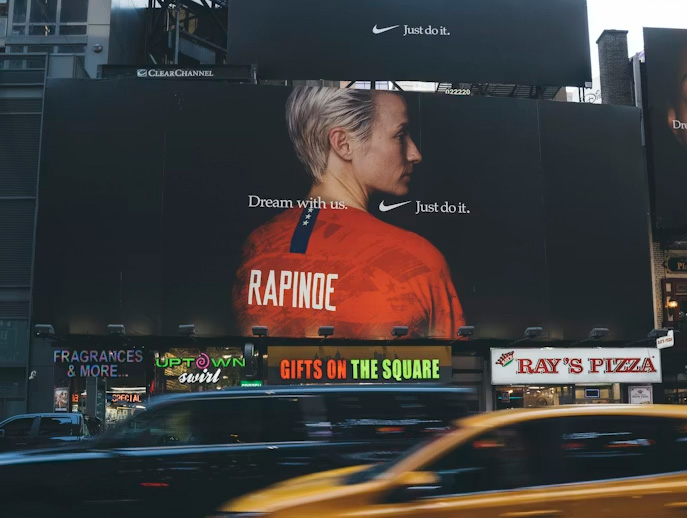
Nike billboard on a busy street

Back in 1988, Nike launched a campaign that didn’t talk about shoes at all. Instead, it recounted the narrative of everyday sportsmen who pushed past problems with three simple words: “Just Do It.”

That story became more than marketing. It became a cultural movement, inspiring millions and cementing Nike’s place as a brand people believe in.

That’s the power of brand storytelling. It’s about telling a story that people can relate to. When done well, a compelling brand story sparks an emotional connection, builds trust, and creates loyalty that no discount or promotion could ever match.

Just How Powerful Is Brand Storytelling?

Brand storytelling means sharing your brand’s mission, core values, and reason for being in a way that resonates with people.

An effective brand story does not recite facts or accomplishments. It tells your brand story in a way that leaves people emotionally invested. Whether an advertisement, an email campaign, or an immersive story campaign, it’s about developing real brand stories that are emotive, trustworthy, and inspiring.

For instance, Nike doesn’t frequently promote shoes directly. Rather, it shares stories about athletes facing a challenge, evoking an emotional response to reinforce its mission: to inspire and enable.

Why Brand Storytelling Works: How People Think and Feel

Humans are hardwired for stories. Neuroscience studies demonstrate that stories stimulate brain regions associated with empathy and memory, rendering them more compelling than mere facts.  In marketing, this means emotional storytelling is a far more effective tool than traditional advertising alone.

When a brand tells an authentic story, it creates a human connection that influences consumers’ behaviour.

  • Emotional response: Stories make customers feel good about the company and connect with it.
  • Customers are more likely to recall a story that is interesting than a list of product features.
  • More meaningful engagement: A good brand story grabs the audience’s attention and keeps them hooked on a deeper level.
  • Brand loyalty: Telling the same story over and over again over time makes people trust you, motivates them to buy from you again, and generates a loyal customer base.

Think about customer transformation stories from companies like Dove’s “Real Beauty” campaign. By highlighting real stories from real women, Dove shifted the conversation around beauty standards while creating a strong emotional connection with its audience.

The Key Elements of a Compelling Brand Story


Making a good brand storytelling strategy takes more than just being creative.  It needs to be organised, clear, and in line with your brand’s values. Here are some elements to focus on:

1. A Clear Brand Purpose

Every brand narrative should be anchored in purpose. Why do you exist beyond profit? What common values do you believe in? When your story shows values that your customers can relate to, they feel more connected.

2. The Hero’s Journey

Among the most effective storytelling frameworks is the hero’s journey, where the customer is the hero and not the brand. Instead, it acts like a mentor and helps the hero get through tough times and change. This change makes stories more relatable and focused on the buyer.

3. Authenticity and Real Stories

Audiences today are sceptical about marketing fluff. To build trust, you need authentic stories, drawn from customer testimonials, social listening, and even customer feedback. Real stories of transformation or impact have more credibility than scripted campaigns.

4. Telling An Emotional Story with Visuals

Strong storytelling combines visual storytelling (images, videos, and graphics) with words to evoke emotions and leave a lasting impression. Brands can now use virtual reality and augmented reality to make experiences that make their stories come to life in new ways.

Strong storytelling combines visual storytelling (images, videos, and graphics) with words to evoke emotions and leave a lasting impression. Brands can now use virtual reality and augmented reality to make experiences that make their stories come to life in new ways.

5. Consistency Across Channels

The same story should run consistently across social media platforms, websites, campaigns, and email marketing. Inconsistent messaging confuses audiences and dilutes brand perception. A strong brand story is repeatable, recognisable, and adaptable across multiple platforms without losing meaning.

Case Studies: Successful Brand Storytelling in Action

Apple: Innovation and Human Connection

Apple’s storytelling strategy is built on more than sleek technology. It’s about creativity, simplicity, and human progress. Every campaign reinforces a compelling narrative of helping people “think different”, building an emotional chord that resonates with millions.

Airbnb: Belong Anywhere

Airbnb doesn’t sell accommodation – it tells a brand story about belonging. By sharing real stories from hosts and travellers, the brand taps into the personal values of community, trust, and shared experiences. This narrative has helped Airbnb establish a loyal customer base across the globe.

Patagonia: Storytelling Through Purpose

Patagonia uses storytelling to emphasise its environmental missions. By consistently sharing authentic brand stories that align with sustainability and activism, it has cultivated brand loyalty and credibility in a way traditional marketing cannot achieve.

Storytelling in the Digital Age

In the digital world, brand storytelling has more opportunities—and more challenges—than ever before. Social media platforms allow for micro-stories (short, shareable content), while websites and video campaigns provide space for deeper narratives.

Content marketing, thought leadership, and even email marketing campaigns all benefit from incorporating stories. Unlike traditional marketing, which often interrupts audiences, storytelling content is something customers choose to engage with, share, and remember.

Emerging technologies are also reshaping storytelling:

  • Virtual reality and augmented reality allow customers to step inside brand experiences.
  • Engagement metrics from digital campaigns provide real-time feedback on what stories resonate.
  • Social listening helps marketers refine their narrative to match customer expectations.

Building Your Own Storytelling Strategy

If you’re looking to harness the power of brand storytelling, here are steps to get started:

  1. Define your core values: Be clear about what you stand for and why.

  2. Know your target audience: Use data analytics and market research to understand what your customers care about.

  3. Map your hero’s journey: Position the customer as the hero, with your brand as the guide.

  4. Gather authentic stories: Collect customer transformation stories and testimonials that highlight your impact.

  5. Leverage multiple channels: Share your story consistently across social platforms, email marketing, websites, and video.

Measure engagement: Track performance through engagement metrics and refine your strategy over time.

Why Storytelling Matters More Than Ever

Nowadays, products and services are often similar, but the power of brand storytelling sets strong brands apart. A compelling brand story isn’t just a nice-to-have; it’s the foundation for building trust, inspiring loyalty, and creating a lasting impact on customers.

By telling authentic stories that align with your brand’s values, you can create emotional connections that influence perceptions, foster customer loyalty, and drive long-term business success.

At uberbrand, we believe that every brand has its own story worth telling. The challenge and opportunity is to tell it in a way that evokes emotions, builds human connections, and positions your business for growth in the digital age.


Visual Portfolio, Posts & Image Gallery for WordPress